

PUEBLO'S DUI SPECIALIST
Do You Have to Take a Breath or Blood Test After a Colorado DUI?
One of the first questions many people ask after a DUI arrest is whether they were required to take a breath or blood test. Some drivers believe they can simply refuse. Others are unsure why the officer asked for one type of test instead of another.

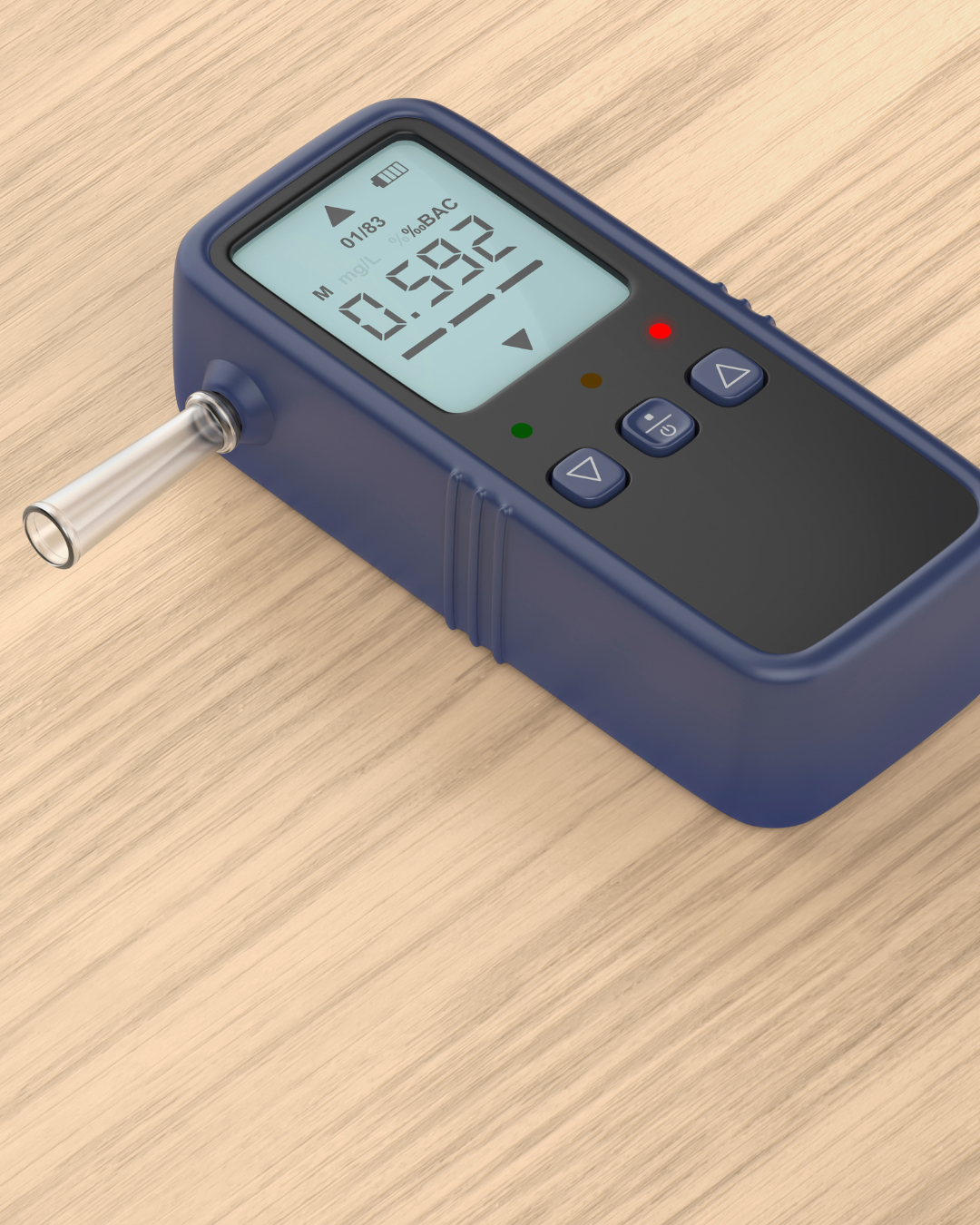
Understanding Colorado's Express Consent Law
What Does Colorado's Express Consent Law Mean After a DUI Arrest?
If a police officer mentioned "Express Consent" during a DUI investigation, you may have heard the words without fully understanding what they meant.
Colorado's Express Consent law governs chemical testing in certain impaired-driving investigations. In general terms, by driving a motor vehicle in Colorado, a driver is considered to have consented to qualifying breath or blood testing when the legal requirements for the law are met.
That does not mean every DUI investigation is identical or that every testing situation follows the same process.
The type of test requested, whether alcohol or drugs are suspected, whether testing is completed or refused, and what happens afterward can all affect the administrative process involving a driver's license.
For someone whose job, professional responsibilities, or family depends on being able to drive, understanding Express Consent is an important part of understanding a Colorado DUI case.
What Is Express Consent?
The phrase sounds complicated, but the basic idea is straightforward.
Colorado law says that people who drive on Colorado roads are considered to have given consent to certain chemical testing when law enforcement has the legal basis required under the statute to request that testing during an impaired-driving investigation.
Chemical testing may involve a sample of:
Breath
Blood
Different provisions may apply depending on whether law enforcement suspects alcohol, drugs, or another form of impairment.
The important distinction is that Express Consent deals with testing and driving privileges. It does not determine whether someone is guilty of DUI. That question belongs to the criminal case. This distinction is one of the most important concepts to understand after a Colorado DUI arrest.
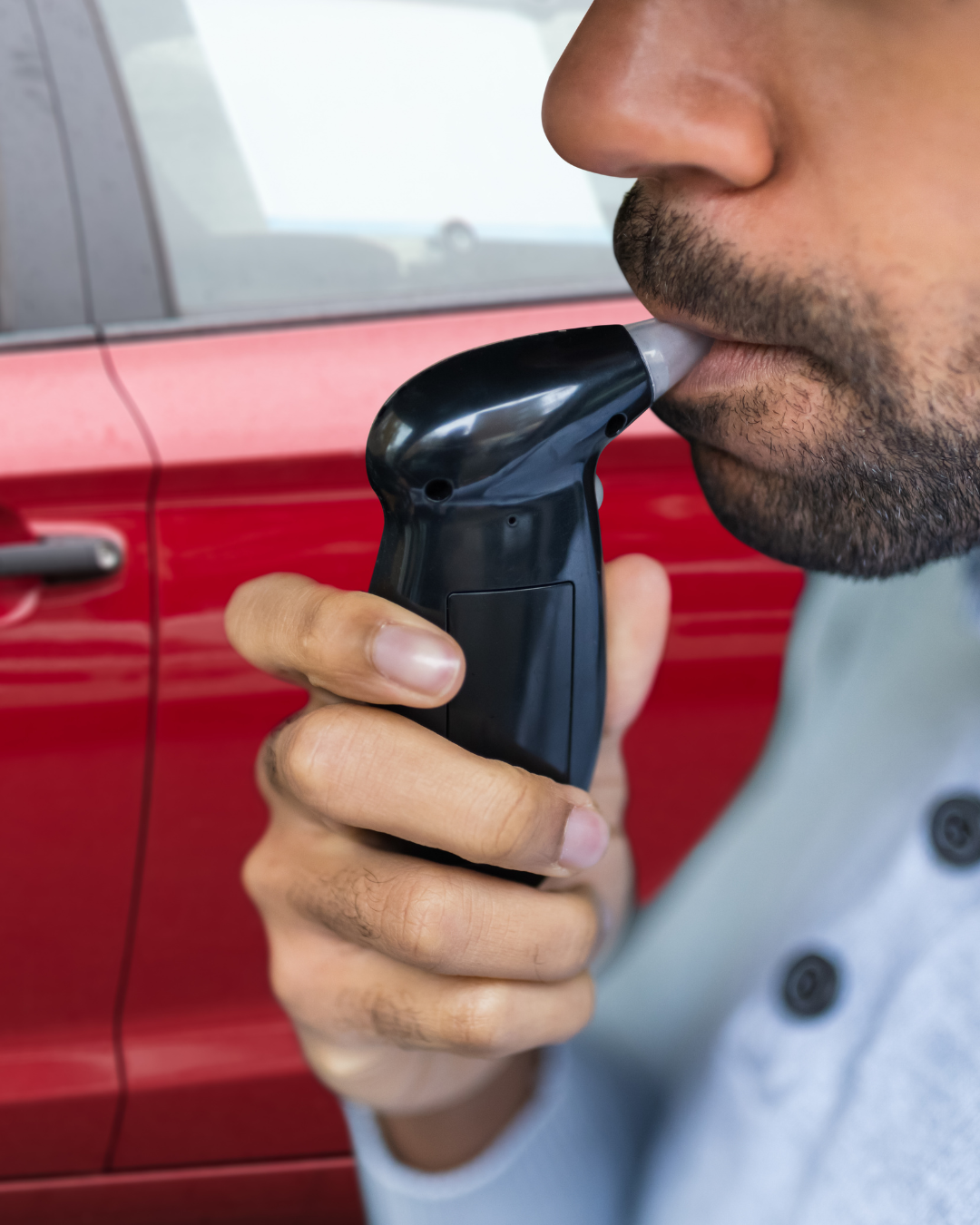
Express Consent vs. the Criminal DUI Case
A DUI can create two separate legal processes.
The Criminal Case
The criminal case is handled through the court system. It addresses the DUI or related criminal charge.
The Administrative License Case
The driver's license process is handled through the Colorado Department of Revenue, Division of Motor Vehicles.
The DMV process may address issues involving chemical testing, refusal, driving privileges, administrative hearings, and license revocation.
Your court case and your driver's license case may be moving at the same time, but they are not the same proceeding.
That is why simply waiting for your first court date may not answer questions involving your driver's license.
When Does Colorado's Express Consent Law Apply?
Express Consent does not mean law enforcement can demand a chemical test without any legal basis.
The law connects chemical testing to an impaired-driving investigation in which the officer has the legally required basis to believe a person was driving in violation of Colorado's DUI, DUI per se, DWAI, or related impaired-driving laws.
Several terms commonly appear in this part of the process.
Probable Cause
Enough facts and circumstances for law enforcement to reasonably believe that an offense has occurred. Probable cause is more than a hunch. It is a legal standard based on the information available to the officer under the circumstances. In a DUI investigation, that information may involve multiple observations rather than one single fact.
Chemical Test
Testing a person's breath or blood to obtain information about alcohol or drugs in the person's system.
Chemical tests are different from roadside observations or field sobriety testing.
Breath Test
A breath test analyzes a breath sample for alcohol.
Breath testing has its own procedures, terminology, equipment, and evidentiary questions, which is why it deserves a separate educational resource.
Blood Test
A blood test involves collecting a blood sample that is later analyzed.
Blood testing may be used in investigations involving alcohol, drugs, or both. Unlike many breath-testing situations, blood results are typically not immediately available because the sample must be processed.

What Happens if a Driver Refuses Chemical Testing?
"Can I refuse the test?" is one of the most common questions surrounding Express Consent.
The better educational question is:
What does Colorado treat as a refusal?
A refusal generally involves a driver not taking, completing, or cooperating with chemical testing when the requirements of Colorado's Express Consent law apply.
Why does that matter?
Because refusal can create consequences within the administrative driver's license process, separate from whatever ultimately happens in the criminal case.
This is another example of why DUI cases can feel like two cases happening at once.
Someone may be waiting for a criminal court date while an administrative issue involving driving privileges is already moving forward.
For a professional who drives for work—or simply needs a vehicle to get to work—that distinction matters.
The Express Consent Terms You Are Most Likely to Hear
Legal terminology can make an already unfamiliar process unnecessarily confusing. Here are the terms most people encounter and what they mean in everyday language.
Ignition Interlock Device
An ignition interlock is a breath-testing device installed in a vehicle.
The driver provides a breath sample as part of operating the vehicle. Colorado may require an ignition interlock in certain reinstatement situations.
Express Consent
Legal meaning: Colorado's statutory framework governing chemical testing in qualifying impaired-driving investigations.
Plain English: driving in Colorado comes with certain legal obligations concerning breath or blood testing during a DUI investigation when the requirements of the law are met.
BAC
BAC stands for Blood Alcohol Concentration.
It describes the concentration of alcohol measured in a person's body.
Depending on the type of test involved, alcohol concentration may be measured through breath or blood analysis.
DUI Per Se
"DUI per se" is a term used in Colorado law in connection with driving and a qualifying alcohol concentration.
Plain English: it is a legal category related to the measured amount of alcohol rather than simply how impaired someone appeared.
Refusal
A refusal generally refers to failing or declining to complete qualifying chemical testing under circumstances covered by the Express Consent law.
A refusal can become part of the DMV administrative process.
Revocation
A revocation means the DMV withdraws a person's privilege to drive.
Plain English: the license is no longer valid for driving unless and until applicable reinstatement requirements are satisfied.
Administrative Hearing
This is a proceeding through the Colorado Department of Revenue involving the driver's license issue. It is not a DUI trial.
It does not decide guilt or innocence on the criminal charge.
Its purpose is to address the administrative issues within the DMV's authority.
Temporary Driving Permit
In some qualifying Express Consent matters, a driver who timely requests a hearing and otherwise qualifies may receive temporary driving authority while waiting for the administrative hearing.
The availability of a permit depends on the circumstances.
Reinstatement
Reinstatement is the process of restoring legal driving privileges after a revocation.
Depending on the circumstances, a driver may need to satisfy specific DMV requirements before becoming eligible to drive again.
The Deadline People Often Miss After a DUI Arrest
The criminal court date printed on paperwork is not necessarily the only date that matters.
In certain Colorado Express Consent cases involving a breath test or refusal, the DMV states that the driver generally has seven days to request an administrative hearing after surrendering the license.
That hearing request relates to the driver's license proceeding—not the criminal court case.
Blood-test cases may work differently because laboratory results are usually received later. In those situations, the administrative notice process may begin after qualifying results are received by the DMV.
Why This Matters for Working Professionals
Imagine receiving a court date several weeks away and assuming nothing needs to happen until then.
Meanwhile, a separate administrative process involving your driver's license may have its own much shorter deadline.
For someone who is a:
CDL driver
Nurse or healthcare professional
Teacher
Contractor
Business owner
Sales professional
Government employee
Parent responsible for transportation
The ability to drive may directly affect employment and everyday responsibilities.
Understanding that there may be two different timelines is one of the most useful things a person can learn immediately after a Colorado DUI arrest.
Common Express Consent Myths
Myth: "My DUI court date will take care of my driver's license."
Reality: The criminal court case and Colorado DMV administrative process are separate.
A court appearance does not automatically resolve an Express Consent driver's license matter.
Myth: "Express Consent means I already admitted I was driving drunk."
Reality: Express Consent concerns chemical testing and the administrative framework surrounding driving privileges.
It is not an admission of guilt, and it does not itself establish a DUI conviction.
Myth: "Breath tests and blood tests work exactly the same way."
Reality: There are different testing methods.
Breath testing generally produces an alcohol measurement from a breath sample, while blood testing requires collection and laboratory analysis. Blood testing may also be used when drug impairment is investigated.
Myth: "If I refuse testing, nothing happens because there is no test result."
Reality: A refusal may itself trigger administrative driver's license procedures under Colorado law.
The absence of a completed chemical test does not mean the DMV process disappears.
Myth: "The DMV hearing is my DUI trial."
Reality: A DMV hearing is an administrative proceeding concerning driving privileges.
The criminal DUI charge continues through the court system separately.
Myth: "If I receive a temporary permit, my license case is over."
Reality: Temporary driving authority does not necessarily mean the underlying administrative matter has been resolved. A temporary permit may allow qualifying drivers to drive while the administrative process continues.
Questions People Actually Ask About Express Consent
"The officer said I had to take a breath or blood test. What did that mean?"
The officer was likely referring to Colorado's Express Consent law. The statute addresses chemical testing when the required legal conditions exist during an impaired-driving investigation. Whether a particular request complied with the law depends on the circumstances surrounding that investigation.
"Is the roadside breath test the same thing as the breath test under Express Consent?"
Not necessarily. Different types of breath testing can serve different purposes during a DUI investigation. Understanding which test was administered and at what stage of the investigation is important when trying to understand the paperwork and process that followed.
"Why did the DMV get involved if my case is in court?"
Because Colorado separates the criminal charge from the administrative issue involving your driver's license.
The court handles the criminal DUI matter. The Colorado Department of Revenue handles the administrative driving-privilege process.
"I took a blood test and haven't received results. Is that normal?"
Blood samples generally require laboratory analysis, so results may not be immediately available. That delay is also one reason blood-test cases can follow a different DMV notice timeline than some breath-test or refusal cases.
"I refused testing. Does that mean there can't be a DUI case?"
A refusal and the criminal DUI case are separate issues. A refusal may create administrative driver's license issues, while the criminal case proceeds according to the evidence and circumstances involved.
"I need to drive for work. Why does the DMV process matter so much?"
For many working professionals, the driver's license issue affects far more than transportation.
A license may be directly connected to employment, a CDL, client appointments, job sites, family responsibilities, or a professional livelihood.
That is why understanding the administrative process early can be especially important for someone with a career and responsibilities to protect.
Related Colorado DUI Topics
Express Consent connects to several other parts of a Colorado DUI case. Rather than trying to explain all of them on one page, we've created dedicated resources for each topic.
Driver's License & DMV Matters After a DUI
Understand the administrative driver's license process and why it is separate from criminal court.
Breath Testing After a Colorado DUI
Learn how breath testing works, common terminology, and how breath evidence fits into an investigation.
Blood Testing After a Colorado DUI
Learn what happens after a blood sample is collected, how laboratory testing works, and why results can take time.
Ignition Interlock Requirements
Understand what an ignition interlock device does and why it may become part of the reinstatement process.

Protect the License and Livelihood You've Built
For someone who depends on driving for work or family responsibilities, the Express Consent process is not an abstract legal issue. It can directly affect everyday life. Understanding the difference between the DMV process and criminal DUI case—and knowing that different deadlines may apply—can help replace confusion with a clearer understanding of what is happening.
If you've been arrested for DUI in Pueblo County or elsewhere in Southern Colorado and have questions about Express Consent, chemical testing, or your driver's license, The Law Office of Adam Schultz can help you understand the process.


© 2026 The Law Office of Adam J. Schultz LLC - All Rights Reserved.
Disclaimer-The information provided on this website is for general educational purposes only and should not be interpreted as legal advice. Reading this website or contacting The Law Office of Adam Schultz does not create an attorney-client relationship. Every legal matter is unique, and legal guidance should be based on the specific facts and circumstances of your case.