

PUEBLO'S DUI SPECIALIST
DRIVER’S LICENSE & DMV MATTERS AFTER A COLORADO DUI
At The Law Office of Adam Schultz, we help clients throughout Pueblo and Southern Colorado understand both sides of the process so they know what is happening, what deadlines may matter, and what comes next.

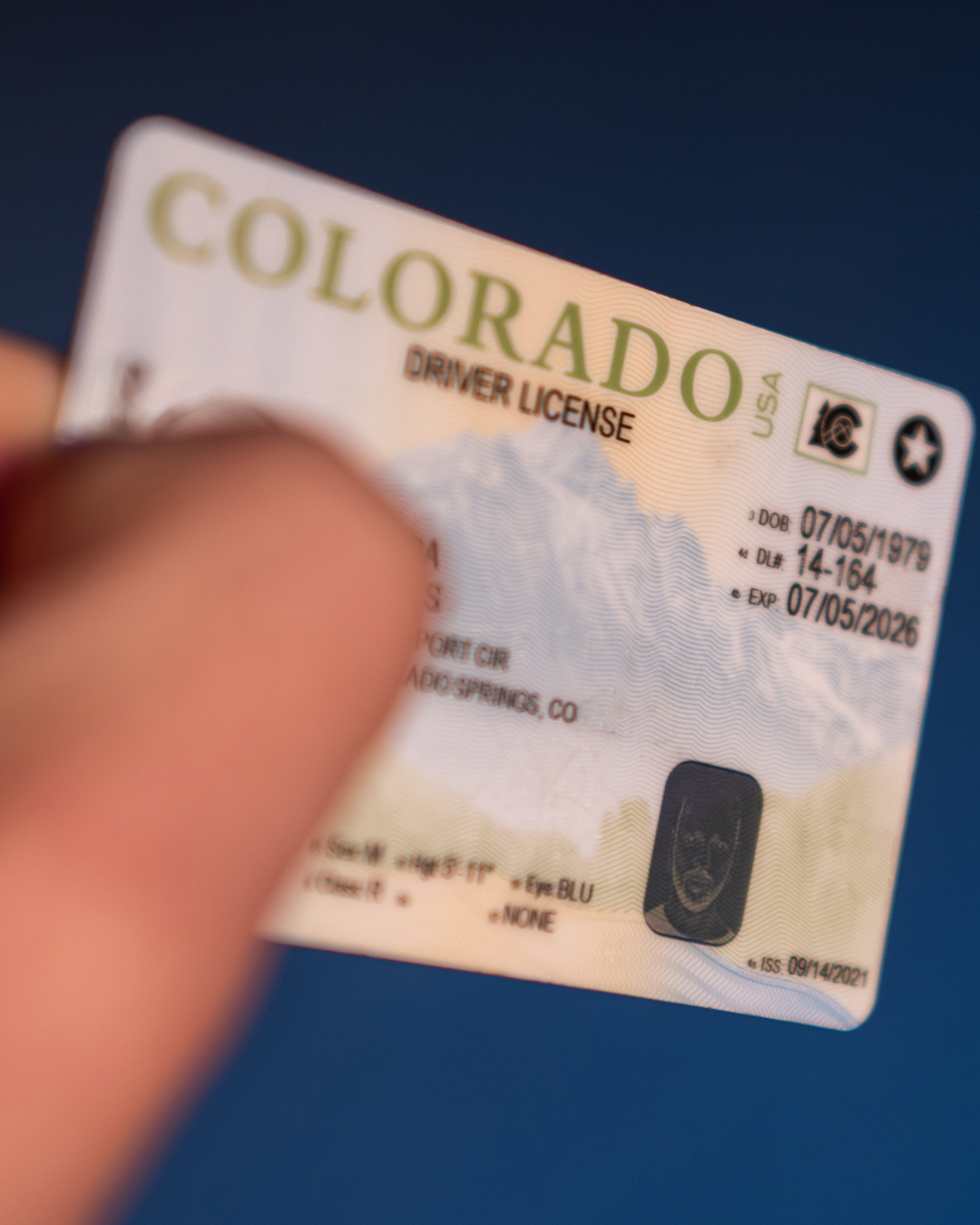
Worried About Your Driver’s License After a DUI?
Understanding Colorado’s DMV and Express Consent Process
For many people arrested for DUI, the first concern is not the courtroom. It is whether they will still be able to drive to work, care for their family, or meet the responsibilities that depend on reliable transportation.
Colorado DUI cases may involve two separate tracks: the criminal case and an administrative driver’s license process through the Colorado Department of Revenue, Division of Motor Vehicles.
Those processes are related, but they are not the same.
Understanding that distinction—and the deadlines that may apply—is an important first step after a DUI arrest.
At The Law Office of Adam Schultz, we help clients throughout Pueblo and Southern Colorado understand both sides of the process so they know what is happening, what deadlines may matter, and what comes next.
Can You Lose Your Driver’s License Before Your DUI Case Is Finished?
Yes. A Colorado DUI arrest can trigger an administrative driver’s license proceeding that is separate from the criminal case.
That means your driving privileges may be addressed by the DMV even while your criminal case is still pending in court. This surprises many people.
The criminal court decides the criminal charge. The Colorado Department of Revenue handles the administrative driver’s license process. Different procedures, documents, and deadlines may apply to each.
For someone who drives to work, holds a CDL, works in healthcare, teaches, runs a business, or manages a household, understanding the DMV side of a DUI case can be just as important as understanding what happens in court.
The Deadline That Often Matters Most
In certain Express Consent cases involving a breath test or refusal, Colorado DMV materials state that a driver generally has 7 days to request a hearing after surrendering the license. If a hearing is not requested, the revocation may become effective after that period.
Blood-test cases can follow a different notice process because laboratory results are not immediately available.
That is why someone should not assume that waiting for the first criminal court date also protects their driver’s license rights.
The DMV process has its own timeline.
Colorado DUI Terms Explained
Express Consent
Colorado’s Express Consent law generally means that a person who drives in Colorado is considered to have consented to certain chemical testing when a law enforcement officer has probable cause to believe the person was driving in violation of Colorado’s impaired-driving laws. The statute addresses breath and blood testing and other testing procedures depending on the circumstances.
Driving in Colorado comes with rules about chemical testing during a DUI investigation. What happens next can depend on the type of test, whether testing was completed, and the circumstances of the case.
DMV Hearing
A DMV hearing is an administrative proceeding involving your driving privileges.
It is not the same thing as your criminal DUI court case.
At the hearing, the DMV hearing officer reviews the issues relevant to the administrative action and determines whether the license revocation should remain in effect. Colorado DMV materials show that a requested Express Consent hearing must generally be scheduled within 60 days.
This is where the driver’s-license side of the DUI case is addressed.
Revocation
A revocation means the Colorado DMV has withdrawn a person’s driving privilege for a period of time.
The length of the revocation and requirements for reinstatement depend on the circumstances and prior history.
Your privilege to legally drive has been taken away until applicable requirements are satisfied.
Temporary Driving Permit
In some circumstances, a driver who timely requests a hearing and had a valid license may qualify for a temporary driving permit while waiting for the hearing.
Colorado DMV materials describe a temporary permit of up to 60 days in qualifying Express Consent cases.
Requesting a hearing may sometimes allow a person to continue driving temporarily while the DMV process is pending.
Reinstatement
Reinstatement is the process of becoming legally eligible to drive again after a revocation.
Depending on the circumstances, reinstatement may involve fees, proof of insurance, treatment requirements, ignition interlock, or other conditions.
Revocation does not necessarily mean someone can simply begin driving again when a certain date arrives. Additional steps may have to be completed first.
Ignition Interlock Device
An ignition interlock device is installed in a vehicle and requires a breath sample before the vehicle can be operated.
Colorado’s reinstatement rules may require an interlock-restricted license in certain DUI-related situations.
The device is designed to allow driving under specific restrictions while monitoring alcohol use.
Why the DMV Case and Criminal Case Are Different
This distinction is one of the most important concepts to understand after a Colorado DUI arrest.
The Criminal Case
The criminal DUI case moves through the court system.
It may involve court appearances, discovery, evidence review, negotiations, hearings, or trial depending on the circumstances.
The DMV Case
The administrative case involves your Colorado driving privilege.
It is handled through the Department of Revenue rather than the criminal court.
Why This Matters
A person can focus entirely on the upcoming court date and still overlook a separate DMV deadline. That can be especially disruptive for someone whose livelihood depends on driving. A nurse commuting between facilities, a contractor traveling to job sites, a teacher transporting children, a salesperson visiting clients, or a CDL holder may experience the loss of driving privileges very differently—but the common issue is the same:
Your driver’s license may be tied directly to your ability to protect what you’ve built.
That is why Adam’s DUI representation considers both the criminal case and the administrative license process rather than treating them as one proceeding.

What Happens After a DMV Hearing Is Requested?
The exact process depends on the circumstances, but Colorado DMV materials generally describe the following progression in Express Consent cases:
Hearing Request
The driver requests an administrative hearing within the applicable deadline.
Hearing Is Scheduled
The Colorado DMV schedules the hearing. In qualifying cases, the driver may receive a temporary driving permit while waiting.
Records Are Provided
The DMV receives and provides documentation associated with the Express Consent case, which may include materials submitted by law enforcement.
Hearing Takes Place
A hearing officer reviews the evidence and determines whether the administrative revocation should be sustained.
Decision
The hearing officer issues the department’s decision.
Reinstatement or Continued Revocation
If the revocation is not sustained, driving privileges may remain valid or be restored. If it is sustained, the driver may need to complete applicable reinstatement requirements before driving privileges can be restored.
This process is administrative. It does not determine the outcome of the criminal DUI charge.
Common Questions People Ask About Their License After a DUI
"The officer took my license. Does that mean I cannot drive right now?"
Not necessarily in every situation. What happens depends on the type of DUI testing involved, the documents provided, whether a hearing is requested, and other circumstances. The paperwork issued after the arrest is important because it may contain information about the administrative process and deadlines.
“I have a court date. Doesn’t that handle my license too?”
No. The criminal court case and DMV driver’s license process are separate proceedings. Appearing in criminal court does not automatically address an administrative DMV matter.
“Why is everyone talking about a seven-day deadline?”
Colorado DMV guidance states that certain drivers in Express Consent breath-test or refusal cases generally have seven days to request an administrative hearing after surrendering their license. Missing that deadline may affect the ability to challenge the administrative revocation.
“My DUI involved a blood test. Is the process different?”
It can be. Blood-test cases may involve a delay while laboratory results are processed. Colorado DMV materials describe a notice process that can begin after the DMV receives qualifying blood-test results, rather than immediately at the roadside.
“Can I drive while I wait for the DMV hearing?”
In some qualifying cases, a temporary permit may be available after a timely hearing request. Whether that applies depends on the circumstances and the driver’s license status.
“What happens if the DMV upholds the revocation?”
The driver may need to complete applicable reinstatement requirements before driving privileges can be restored. Those requirements vary based on the circumstances and history involved.
Related Colorado DUI Topics
Understanding the DMV process often raises additional questions. These resources explain the related issues in greater detail:
Colorado Express Consent Law
→ Explore the DUI Hub
Second DUI Charges
→ View the Court Process
Breath Testing After a DUI
→ Learn More
Felony DUI Charges
→ Browse the Glossary
Blood Testing After a DUI
→ Explore Chemical Testing
Commercial Driver / CDL DUI
→ Visit the Knowledge Center
Ignition Interlock Requirements
→ Explore Chemical Testing
Colorado DUI Court Process
→ Visit the Knowledge Center
First-Time DUI Charges
→ Explore Chemical Testing
Colorado DUI Defense Hub
→ Visit the Knowledge Center

Protect Your License. Protect Your Livelihood.
For many professionals, losing the ability to drive can affect far more than transportation. It can affect work, income, professional responsibilities, family routines, and the stability you have spent years building.
The DMV process can also move on a different timeline than the criminal court case, which is why understanding both matters early.
If you have been arrested for DUI in Pueblo County or elsewhere in Southern Colorado and have questions about your driver’s license, The Law Office of Adam Schultz can help you understand the criminal and administrative processes involved.


© 2026 The Law Office of Adam J. Schultz LLC - All Rights Reserved.
Disclaimer-The information provided on this website is for general educational purposes only and should not be interpreted as legal advice. Reading this website or contacting The Law Office of Adam Schultz does not create an attorney-client relationship. Every legal matter is unique, and legal guidance should be based on the specific facts and circumstances of your case.